
Blog
Synology DSM CVE-2024-10441: critical flaw exploited in the wild
What CVE-2024-10441 is and who it affectsSynology has published a security advisory for an improper encoding or escaping of output vulnerability, trac...
What CVE-2024-10441 is and who it affects
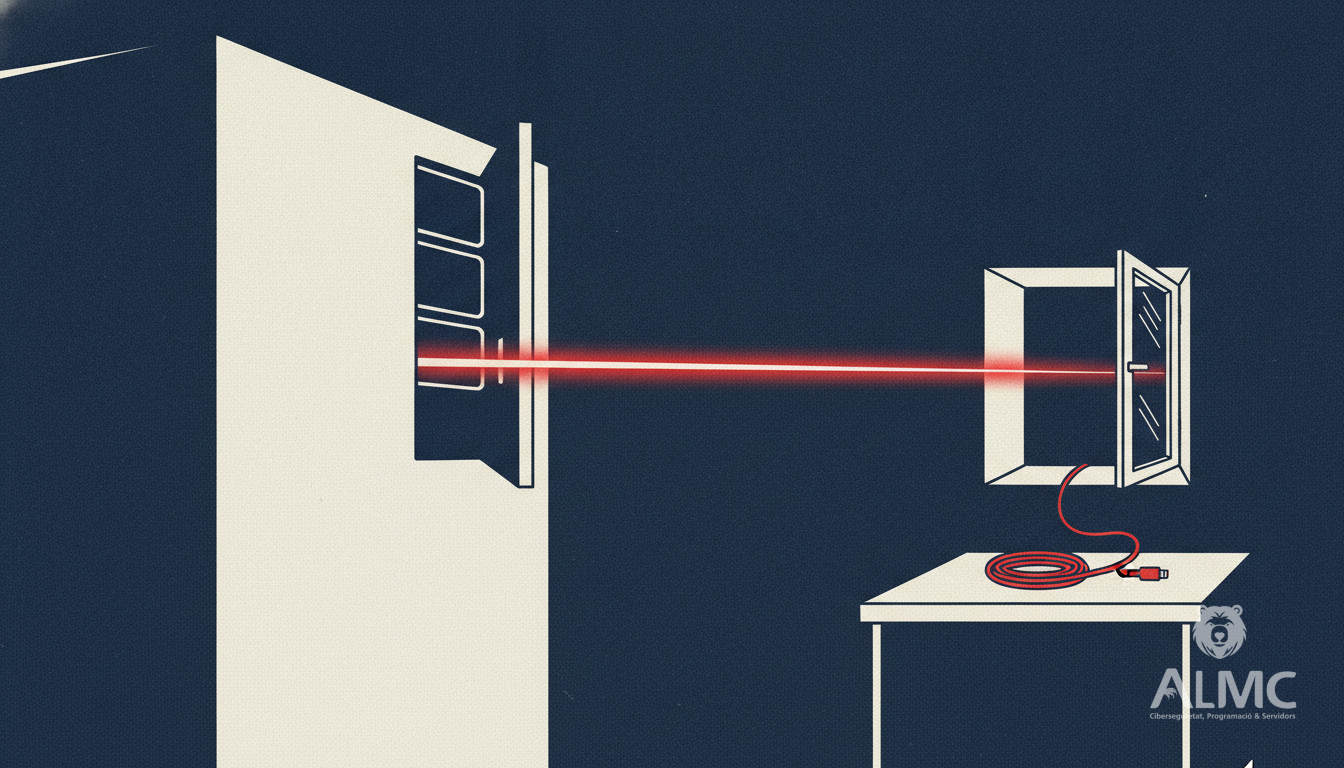
Synology has published a security advisory for an improper encoding or escaping of output vulnerability, tracked as CVE-2024-10441 (CWE-116), in the system plugin daemon of its NAS operating systems. According to the NVD of the NIST, the flaw allows remote attackers to execute arbitrary code through unspecified vectors. The CVSS 3.1 score is 9.8, CRITICAL, with a vector that requires no privileges, no user interaction and no local access: AV:N/AC:L/PR:N/UI:N/S:U/C:H/I:H/A:H.
The affected products listed by the NVD are:
- Synology DiskStation Manager (DSM) from 7.2 up to, but not including, 7.2-64570-4; from 7.2.1-69057 up to, but not including, 7.2.1-69057-6; and from 7.2.2 up to, but not including, 7.2.2-72806-1.
- Synology BeeStation OS (BSM) versions before 1.1-65374, including the 1.0, 1.0.1, 1.0.2 and 1.1 builds listed in the NVD entry.
In practice this concerns any small business, online shop or internal IT team in Barcelona, Lleida, Tarragona or Girona running a Synology NAS as a file server, backup target or hosting node, especially when the management interface is reachable from the internet.
Why it is urgent: already exploited, with a CISA deadline
This is not a theoretical risk. CISA added CVE-2024-10441 to its Known Exploited Vulnerabilities (KEV) catalogue on 18 November 2026, which means there is evidence of exploitation in real attacks. The agency set US federal agencies a remediation deadline of 21 November 2026, only three days later.
The required action is to apply mitigations in accordance with the vendor's instructions, following BOD 26-04 guidance on prioritising security updates by risk, and to evaluate each asset's internet exposure. If mitigations are unavailable, the guidance is to discontinue use of the product. The KEV entry does not record known use in ransomware campaigns, but that does not lower the severity: a 9.8 remote code execution flaw on an internet-facing appliance is exactly the kind of entry point attackers look for.
What to do today
- Inventory. Check whether you run Synology DSM or BeeStation OS and note the exact build. Compare it against the version ranges above; if your build sits inside one of them, you are exposed.
- Update. Apply the fix indicated in Synology's advisories SA_24_20 and SA_24_23. The NVD lists the versions that resolve the issue (7.2-64570-4, 7.2.1-69057-6, 7.2.2-72806-1 and BSM 1.1-65374), but always follow the vendor's current advisory rather than a third-party summary.
- Look for signs of intrusion. Review administrative logs, unexpected accounts, scheduled tasks and outbound connections from the device. If the NAS holds backups, verify their integrity and keep an offline copy.
- Reduce exposure. Close DSM management ports to the internet, restrict access to a VPN or internal network, enforce multi-factor authentication and remove default or shared accounts.
Remember that a NAS often stores personal data of customers and employees, so an intrusion can also trigger GDPR notification obligations towards the Spanish data protection authority.
How a cybersecurity team such as ALMC's can help
Keeping track of CVEs like this one, across servers, CMS platforms and network appliances, is a full-time job that most small IT teams cannot absorb. At ALMC we work with SMEs and online shops in Catalonia to detect and close vulnerabilities before they are exploited: security audits and pentesting, server hardening, monitoring and incident response, plus maintenance and updating of WordPress, PrestaShop and Joomla installations. When a site has already been compromised, we also handle the cleanup and recovery.
If you are unsure whether your Synology equipment falls within the affected ranges, or you simply want a second pair of eyes on what your infrastructure exposes to the internet, a short review is usually enough to know where you stand.
Related
- Ivanti Connect Secure: CVE-2026-104935 Under Active Attack
- CVE-2026-96951: Windows Shell Command Injection Under Attack
- Click to Chat for WhatsApp: CVE-2026-92097 in WordPress
- Abuse Shield
Is your business exposed to flaws like this?
ALMC checks which versions you are running, applies the patches and hardens your servers and website. Contact our team for a security review.