
Blog
Modular ecommerce: build a shop that sells, not just exists
The end of the monolithic online storeFor years, launching an online shop meant committing to a single, heavyweight build: a long roadmap, a budget th...
The end of the monolithic online store
For years, launching an online shop meant committing to a single, heavyweight build: a long roadmap, a budget that ballooned, and months before the first order could be processed. That model is fading across Catalonia and the rest of Spain. Shops and brands now want something more pragmatic — an ecommerce platform that starts delivering value in weeks, not quarters, and that can grow without being torn down and rebuilt.
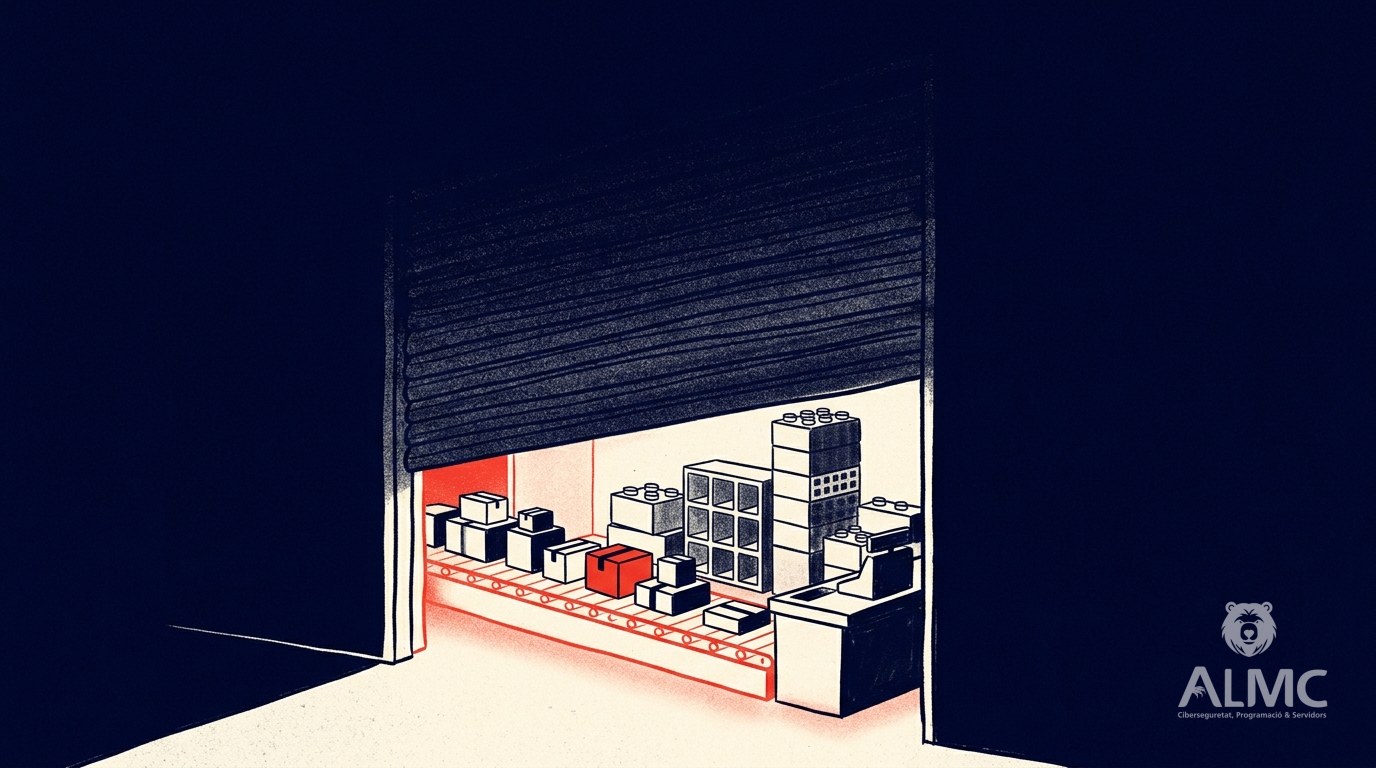
At ALMC we see this shift every week with merchants in Barcelona, Lleida, Tarragona and Girona. The question is rarely "which platform is the most powerful?" anymore. It is "which setup lets us sell sooner, spend less on maintenance, and still keep control?" That is where modular thinking wins.
Why modular beats big-bang builds
A modular ecommerce architecture treats your store as a set of capabilities that can be added, replaced or upgraded independently. Instead of one slow release that touches everything, you deploy focused improvements: a new checkout flow, a payment method, a product recommendation block, an integration with your ERP or invoicing system.
- Faster time to value: the store goes live with the essentials and improves from real customer behaviour, not guesswork.
- Lower total cost of ownership: you avoid paying for a giant rebuild every few years and reduce long-term maintenance overhead.
- Safer evolution: changes are contained, so a tweak to one module does not put the whole shop at risk.
- Real integration potential: artificial intelligence and automation can be layered onto systems that already work, rather than replacing them from scratch.
This is the same logic large digital experience vendors are pushing: let business teams move quickly while IT keeps governance and security under control. For a shop, the equivalent is giving marketing the freedom to launch campaigns and landing pages while the technical team guards performance, GDPR compliance and uptime.
PrestaShop and WooCommerce: two solid foundations
We build most online stores on two foundations, chosen for fit rather than fashion.
PrestaShop suits merchants with large catalogues, complex product variants and a need for structured back-office management. It is mature, widely supported in Spain and well understood by local agencies and hosts. When configured properly, it handles multilingual and multi-currency selling across the EU without drama.
WooCommerce is the natural choice when content and commerce need to live together. If your brand already publishes articles, guides or a blog, WooCommerce lets you sell directly from that content ecosystem, with a huge plugin library and full control over the codebase.
Neither platform is a magic wand. A default installation will not sell on its own. The difference comes from custom development: clean theme work, sensible product data, fast hosting, and a checkout that removes friction instead of adding it.
Conversion optimisation is the real work
Traffic is expensive. Turning visitors into buyers is where a store earns its keep. In our projects we focus on the parts of the funnel that quietly leak revenue:
- Product pages with clear imagery, honest stock information and pricing in euros that includes taxes and shipping expectations.
- Checkout that is short, mobile-first and offers the payment methods Spanish customers actually use.
- Search and filtering that helps shoppers find the right variant without scrolling through endless grids.
- Performance — a shop that loads slowly on a phone loses customers before they ever see a product.
- Measurement with analytics configured correctly, so decisions are based on data rather than hunches.
We also treat GDPR as a design requirement, not an afterthought. Cookie consent, data retention and the handling of customer information must be built into the store from day one, especially when selling across EU borders.
The full stack behind a shop that sells
An online store is never just a storefront. It sits inside a wider stack: hosting and servers that stay fast under campaign peaks, backups that actually restore, security hardening against attacks, and integrations with stock, logistics and electronic invoicing. When these pieces are chosen together, the shop runs smoothly. When they are bolted on later, every Black Friday becomes a fire drill.
That is why we approach tienda online projects as an end-to-end exercise: platform selection, custom development, conversion optimisation, hosting and ongoing maintenance. The goal is not simply to launch a website. It is to build a commerce engine that keeps selling, month after month, while your team focuses on products and customers.
Where to start
If your current shop feels slow, hard to change or expensive to maintain, the answer is rarely to start over blindly. A pragmatic first step is an audit of what you already have: catalogue, checkout, hosting, integrations and analytics. From there, a modular plan can prioritise the changes with the biggest impact on revenue and the smallest risk to operations.
Shops and brands across Lleida and Catalonia are moving in this direction because it reflects how modern commerce actually works: incremental, measurable and resilient. A store built that way does not just exist online — it sells.
Related
- WooCommerce vs PrestaShop: Which Ecommerce Platform Wins in 2025?
- CRO for Ecommerce: Turning WooCommerce and PrestaShop Templates into Sales Engines
- Agentic Commerce: How AI Agents Are Rewriting the Rules of Online Shopping
- Desarrollo web
Put these ideas into practice
Talk to ALMC about a solution for your business. Explore your options or contact our team.