
Blog
Discount fatigue: building an online shop that sells all year
The calendar is not a strategyEvery November, a large part of the Spanish ecommerce sector reorganises itself around a handful of dates. Campaigns are...
The calendar is not a strategy
Every November, a large part of the Spanish ecommerce sector reorganises itself around a handful of dates. Campaigns are planned months ahead, stock is bought in bulk and prices are slashed for a weekend. For many shops it works — or at least it looks like it works, because the revenue spike is visible and the margin erosion is not. But a growing number of merchants in Catalonia are asking a more uncomfortable question: what happens to the other 350 days of the year?
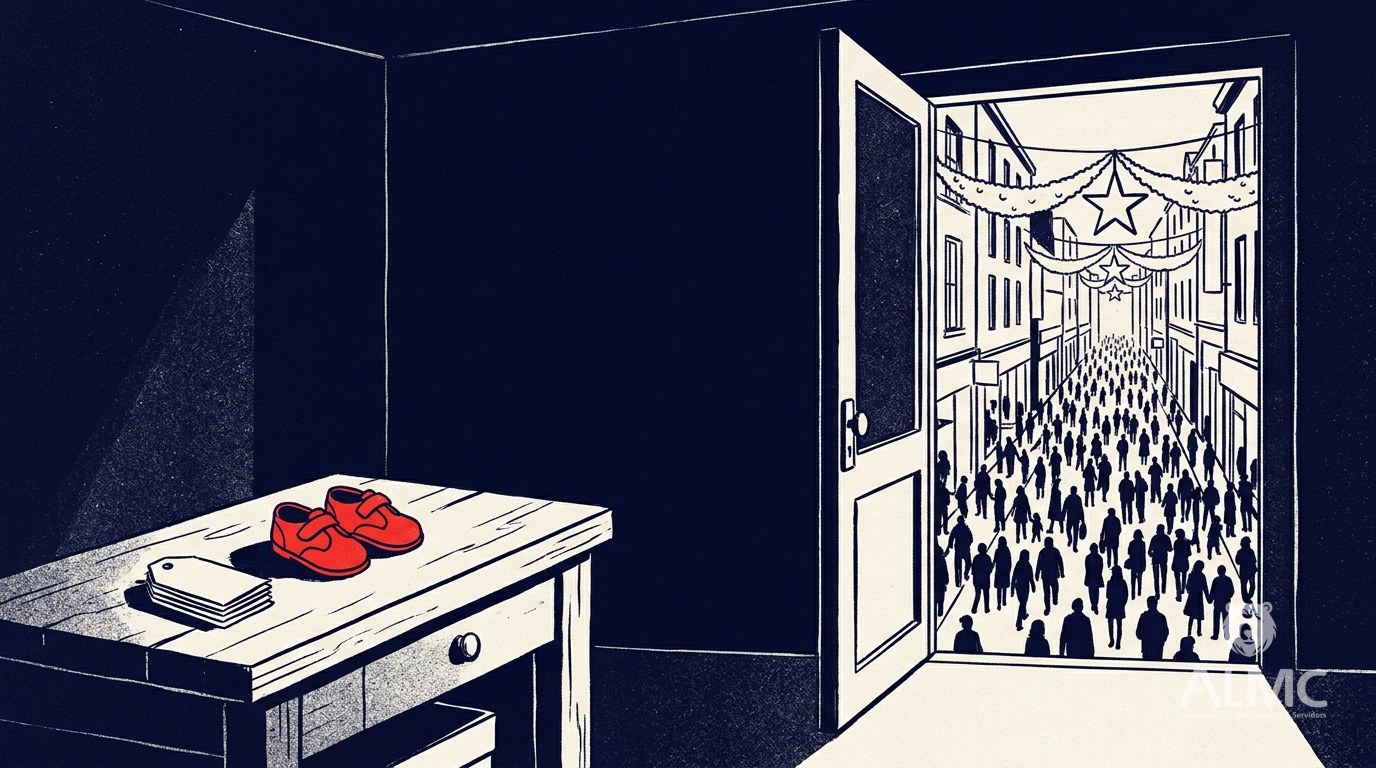
One footwear brand with a decade of history recently made headlines in Spain by announcing it would not change a single price on Black Friday, calling the date "just another Friday". The interesting part is not the gesture itself but the reasoning behind it: their November and December sales represent only a small fraction of annual turnover, so they can afford to say no. That is a structural advantage, not a moral one. And it is built on a shop that converts consistently, month after month.
Why discount dependence creeps in
Discounting rarely starts as a deliberate strategy. It usually starts as a fix for something else. Traffic is thin, so a promotion brings people in. Conversion is low, so a countdown timer creates pressure. Cart abandonment is high, so a voucher closes the gap. Each of these patches works once, and then becomes the baseline. Before long, customers learn to wait, and the shop has trained them to do so.
- Margin compression: a 20% discount on a product with a 40% gross margin removes half your profit, not a fifth of your price.
- Distorted data: promotional spikes hide the real conversion rate of your catalogue, making it impossible to judge which products genuinely work.
- Operational strain: peak logistics, temporary stock and customer service overload around a few days, followed by long quiet periods.
- Erosion of trust: if the price is always about to drop, the honest price loses meaning.
None of this means promotions are wrong. It means they should be a lever you choose, not the engine that keeps the shop running.
What a shop that sells on its own looks like
The alternative is unglamorous and largely technical. A store that does not need permanent urgency is usually a store where the fundamentals have been fixed: fast pages, clear product information, a checkout that does not fight the buyer, and a search that actually finds things. In our experience building ecommerce for retailers and brands across Lleida, Barcelona, Tarragona and Girona, the difference between a shop that depends on campaigns and one that does not is rarely creative. It is architectural.
That is the ground we work on at ALMC.es: online shops that genuinely sell, built on PrestaShop or WooCommerce and tailored to each catalogue, with conversion optimisation treated as an ongoing discipline rather than a one-off redesign. The full stack matters — hosting, performance, analytics, GDPR-compliant consent, payment and logistics integrations — because a weak link anywhere in that chain shows up as abandoned carts at the end.
Conversion work that pays every month
If you want to reduce your dependence on discounting, start by measuring what happens when there is no promotion running. A few areas tend to deliver the most:
- Product pages that answer objections: sizing, materials, delivery times, returns policy and real photography. For footwear, sizing guidance alone can remove a large share of hesitation.
- Checkout friction: guest checkout, saved addresses, transparent shipping costs from the first step, and payment methods Spanish buyers actually use.
- Search and navigation: faceted filters, synonyms and a search that tolerates typos. Many catalogues lose more sales here than in any campaign.
- Post-purchase experience: clear tracking, easy returns and responsive support. This is where repeat purchase is won, and repeat purchase is the cheapest revenue you will ever have.
- Technical health: Core Web Vitals, mobile performance and clean structured data. Slow shops lose buyers before the design is even seen.
Each of these improvements compounds. A shop that converts 30% better does not need a seasonal discount to hit the same revenue — and it keeps the margin.
A note on regulation and trust
In the EU, price communication is not a free-for-all. Under Spanish consumer protection rules and the Omnibus directive, any advertised reduction must reference the lowest price applied in the previous 30 days. Shops that run permanent "was/now" pricing are increasingly exposed, both legally and reputationally. A clean, honest price architecture is not just an ethical position — it is a lower-risk one.
GDPR matters here too. Consent banners, analytics and remarketing all need to be configured properly, and a shop built with privacy in mind avoids the awkward choice between tracking everything and tracking nothing.
Choosing your own calendar
Not every business can opt out of Black Friday, and there is no shame in participating. The point is to decide deliberately, with real numbers in front of you: what share of annual revenue comes from promotional periods, what margin each campaign actually leaves, and what would happen if you ran a quieter November. If the answer is "we would not survive it", that is useful information — and it points directly at the conversion and retention work that needs doing.
A shop that sells well every week gives you the freedom to say no when it suits you. That freedom is worth more than any single weekend of traffic.
Related
- WooCommerce vs PrestaShop: Which Ecommerce Platform Wins in 2025?
- CRO for Ecommerce: Turning WooCommerce and PrestaShop Templates into Sales Engines
- Agentic Commerce: How AI Agents Are Rewriting the Rules of Online Shopping
- Desarrollo web
Put these ideas into practice
Talk to ALMC about a solution for your business. Explore your options or contact our team.