
Online Store or Marketplace? The Real Choice for Catalan Retailers
Online Store or Marketplace? The Real Choice for Catalan Retailers
Why the marketplace question keeps coming backEvery few months a headline lands that makes the giants look fragile: a global marketplace reports slowe...
Why the marketplace question keeps coming back
Every few months a headline lands that makes the giants look fragile: a global marketplace reports slower profit growth while its cloud division races ahead, and its shares wobble. For a shop owner in Lleida or a brand in Girona, the temptation is to read that as a warning about marketplaces. It is not. It is a reminder that the big platforms are diversified technology businesses, and that the sellers who depend on them are exposed to decisions, fees and algorithm changes they cannot influence. That is the real argument for building your own online store.
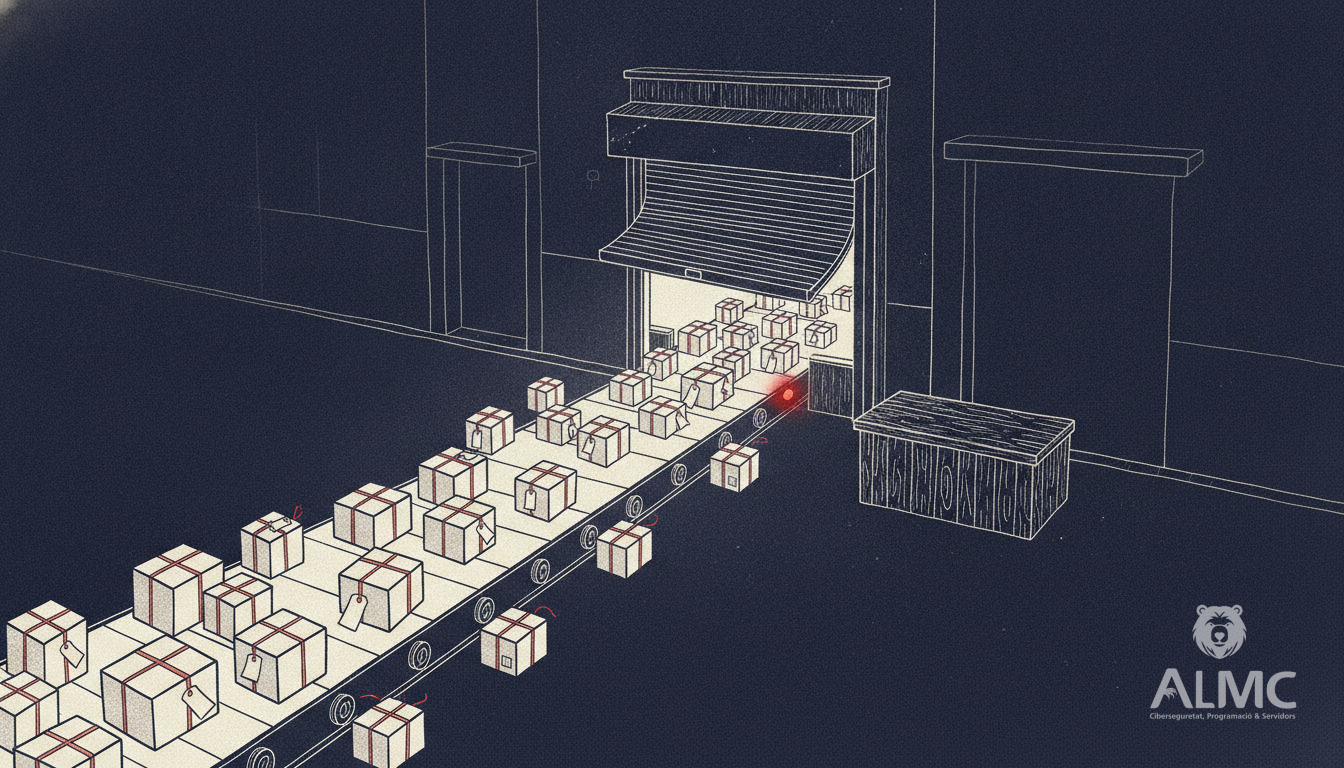
This is not a piece about abandoning marketplaces. It is about knowing what you are buying when you sell there, and what you gain when you run your own ecommerce operation on infrastructure you control.
What a marketplace really costs you
On paper, listing on a large platform looks cheap: no development, no hosting, an audience already there. In practice, the cost is spread across several lines that rarely appear together on one invoice.
- Commission per sale. A percentage on every order, often plus a payment processing fee on top.
- Margin pressure. You compete on price against sellers who may source differently or operate from outside the EU.
- No customer relationship. The platform owns the buyer data, the post-sale communication and often the branding of the transaction.
- Limited control. Product pages, checkout flow and promotions follow the platform's rules, not yours.
- Dependence risk. A change in policy, a suspension or a fee increase can remove a large share of your revenue overnight.
None of this makes marketplaces useless. They are a useful acquisition channel, especially at the start. The problem begins when they are the only channel.
What an owned store gives you that a listing cannot
An online store built to your specification is an asset, not a rented shelf. The differences show up in four places.
- Margin. You keep the difference between price and cost, minus payment fees, instead of handing over a commission on every order.
- Data. You see who buys, what they browse before buying, where they abandon the cart and which campaigns actually convert. That data is the raw material of every later optimisation.
- Brand. The checkout, the packaging insert, the follow-up email and the returns process all carry your name, not someone else's.
- Compliance. Under GDPR you decide what data you collect, how long you keep it and which processors you use. On a marketplace, you are often a data subject to someone else's policy.
For a retailer in Catalonia selling to customers across Spain and the EU, that control is worth more than it looks. It is the difference between running a channel and running a business.
PrestaShop or WooCommerce: choosing the right base
Most owned stores in Spain end up on one of two platforms, and the choice matters less than how well each is implemented. PrestaShop is a mature, commerce-first system with strong catalogue management, multi-store support and a deep ecosystem of EU payment and carrier modules. It suits retailers with large or complex catalogues, multiple languages or B2B pricing rules. WooCommerce builds on WordPress, which makes it a natural fit for brands that already publish content and want product pages, editorial and SEO under one roof. It is flexible and well documented, but it rewards disciplined development: a poorly built WooCommerce store becomes slow and fragile quickly.
The honest answer is that either platform can work. What decides the outcome is the work around it: a clean product structure, a checkout that does not lose customers, sensible hosting and a plan for maintenance and updates.
Conversion is where the money is won or lost
Traffic is expensive. Turning it into orders is a design and engineering problem, and it is where most stores underperform. In our experience with shops in Barcelona, Tarragona and Lleida, a handful of fixes usually matter more than a redesign.
- Checkout friction. Fewer steps, guest checkout, clear delivery costs before the final screen and local payment methods that Spanish buyers actually use.
- Product pages. Real photography, honest stock information, delivery estimates and reviews that answer objections before they are raised.
- Speed. Mobile pages that load quickly, especially on the connections shoppers actually have.
- Search and navigation. Filters that match how people shop in your category, not a generic template.
- Measurement. Proper event tracking so you can see where the funnel leaks, rather than guessing.
None of these require a huge budget. They require someone to look at the data and fix the right things in the right order.
A realistic path for a Catalan retailer
The sensible sequence is rarely "close the marketplace and build a store". It is usually to keep the marketplace as an acquisition channel while building an owned store as the long-term home of the brand. Start with a focused catalogue, get the checkout and the logistics right, measure everything, and grow from there. Plan for maintenance, security updates and hosting from day one: an online store is a running system, not a one-off project, and the shops that succeed treat it that way.
At ALMC we build online stores on PrestaShop and WooCommerce that are designed to sell, not just to exist: structured catalogues, conversion-focused checkouts and the full stack behind them, from hosting to analytics. If you are weighing up a marketplace against your own shop, the first step is a clear-eyed look at the numbers.
Related
- WooCommerce vs PrestaShop: Which Ecommerce Platform Wins in 2025?
- CRO for Ecommerce: Turning WooCommerce and PrestaShop Templates into Sales Engines
- Agentic Commerce: How AI Agents Are Rewriting the Rules of Online Shopping
- Desarrollo web
Put these ideas into practice
Talk to ALMC about a solution for your business. Explore your options or contact our team.