
How to Launch a Footwear Range Online in Spain
How to Launch a Footwear Range Online in Spain
Why a footwear launch is won or lost onlineLaunching a new range of shoes used to be about getting stock into the right shops. Today, the first seriou...
Why a footwear launch is won or lost online
Launching a new range of shoes used to be about getting stock into the right shops. Today, the first serious test happens on a screen. A shopper in Barcelona, Lleida or Tarragona discovers the product through social media, lands on a product page and decides within seconds whether the brand deserves a second look. For footwear and fashion brands, the online store is no longer a catalogue bolted onto the business: it is the shop window, the sales assistant and the checkout, all at once.
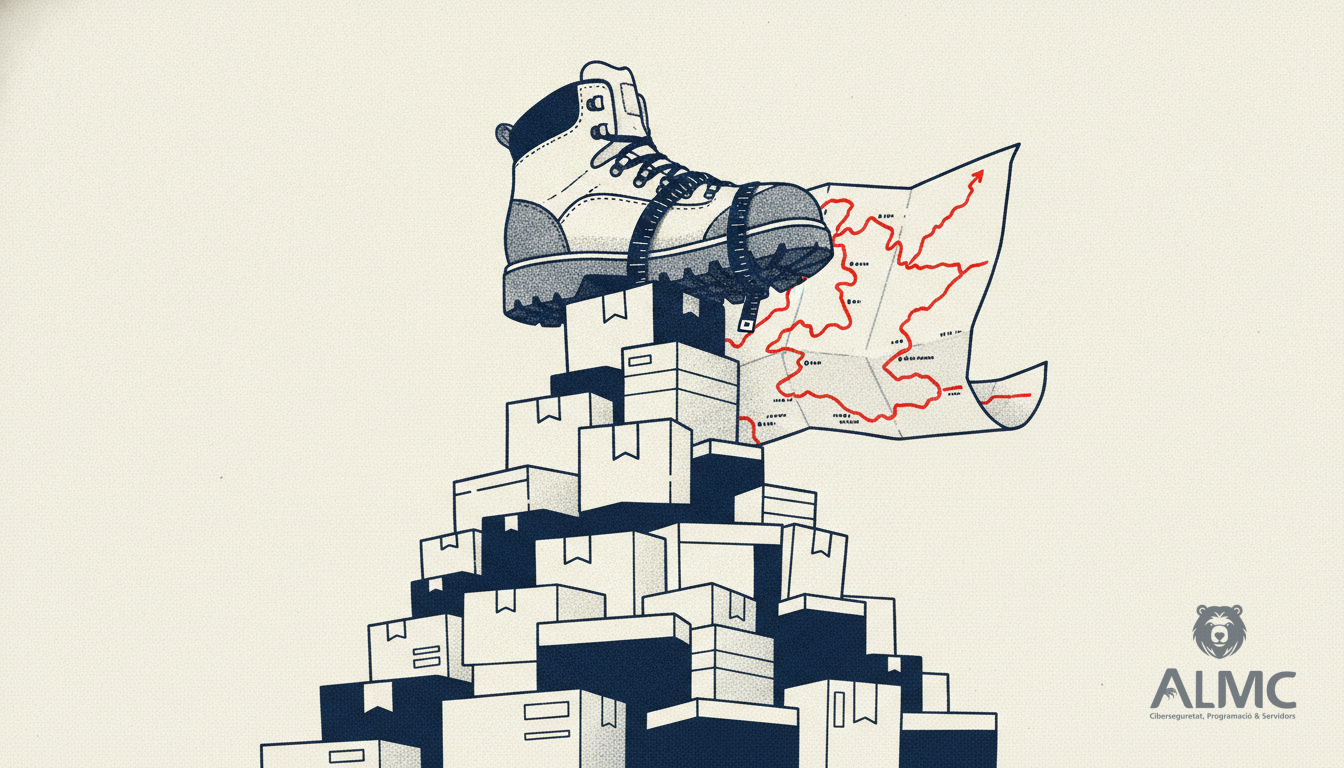
The Spanish market has been moving steadily towards footwear that respects the natural shape of the foot. What began as a niche interest has become a commercial category with real weight, driven by a broader concern for health and wellbeing. Brands that already have a long history in conventional shoes are now adding these ranges without abandoning their core business. That balancing act is exactly where a well-built ecommerce platform earns its keep.
Start with a story the product page can carry
A new range needs more than a list of technical features. Shoppers want to understand the idea behind the shoe: why the last is wider, why there is no drop between heel and toe, how the sole behaves on wet stone. The most effective launches translate that into a dedicated landing page per collection, with a clear explanation of the concept, the materials and the intended use.
- One landing page per launch. Keep it focused on the new range, with the story, the key benefits and the buying options in one place.
- A visible entry point on the home page. A banner or featured block ensures the launch is the first thing a returning visitor sees.
- Content that proves the claim. Real routes, real terrain and long-distance testing communicate more than a specification sheet.
- Social content that feeds the store. Short video pieces published during the first weeks of a campaign work best when they lead back to a page that can actually convert.
This is where many otherwise strong campaigns stumble. Traffic arrives, but the landing page is slow, the size guide is missing, or the checkout asks for an account before it asks for a sale. A launch deserves a store built for it.
What a conversion-ready store looks like
At ALMC.es we build online stores with PrestaShop and WooCommerce tailored to the way each brand actually sells. For footwear, that means a few things matter more than others. Size and fit information has to be impossible to miss, because uncertainty about sizing is one of the main reasons a basket is abandoned. Returns and exchanges need to be explained in plain language, in line with EU consumer rules and Spanish distance-selling law. And the whole journey has to be fast on a mobile connection, because that is where most discovery now happens.
Beyond the storefront, the stack behind it matters just as much: stock synchronisation with physical shops, payment methods that Spanish customers expect, integration with invoicing systems, and analytics that show which campaign actually produced the sale. We treat the ecommerce project as a whole rather than a template with a logo on top.
Localising for Spain and Catalonia
Selling online in Spain means selling in more than one language and respecting more than one set of expectations. A store that serves customers in Catalonia should handle Catalan and Spanish cleanly, without duplicated content that confuses search engines. Prices must be shown in euros with VAT clearly stated, and delivery information should reflect the reality of peninsular shipping rather than vague promises.
Data protection is part of the product too. Under the GDPR, consent for cookies and marketing must be genuine, and customer data collected at checkout has to be handled with care. A store that treats privacy as a checkbox tends to lose trust exactly when a first-time buyer is deciding whether to enter card details.
Measuring what the launch actually achieves
Once the campaign is live, the questions become practical. Which landing page variant holds attention? Which size guide reduces returns? Which social channel brings buyers rather than browsers? Setting up events and goals from day one lets a brand adjust the campaign while it is still running, instead of waiting for a post-mortem.
A launch is also a rehearsal for the next one. The brands that do this well build a repeatable process: a landing page template, a content plan, a checkout that has already been tested, and a store that can absorb a spike in traffic without falling over. That is the difference between a campaign that produces a brief surge and one that leaves behind a stronger online business.
Building for the long run
Footwear ranges come and go, but the store stays. Whether a brand is adding a new category, opening a new market or simply trying to sell more of what it already makes, the same foundations apply: a clear story, a fast and trustworthy checkout, and a platform that can grow with the catalogue. If you are planning a launch in Lleida, Barcelona or anywhere else in Catalonia, it is worth building the online store with the same care you put into the product itself.
Related
- WooCommerce vs PrestaShop: Which Ecommerce Platform Wins in 2025?
- CRO for Ecommerce: Turning WooCommerce and PrestaShop Templates into Sales Engines
- Agentic Commerce: How AI Agents Are Rewriting the Rules of Online Shopping
- Desarrollo web
Put these ideas into practice
Talk to ALMC about a solution for your business. Explore your options or contact our team.