
Blog
Checkout in Spain: payment habits that decide the sale
Why the payment step deserves its own strategyMost online stores in Catalonia still treat checkout as the last technical box to tick: the cart works,...
Why the payment step deserves its own strategy
Most online stores in Catalonia still treat checkout as the last technical box to tick: the cart works, the order lands in the back office, done. Yet the moment a customer reaches the payment screen is where intent is most fragile. Industry events across Spain keep returning to the same message, and it is not about fancy design — it is about removing friction at the exact second the buyer decides whether to trust you with their money.
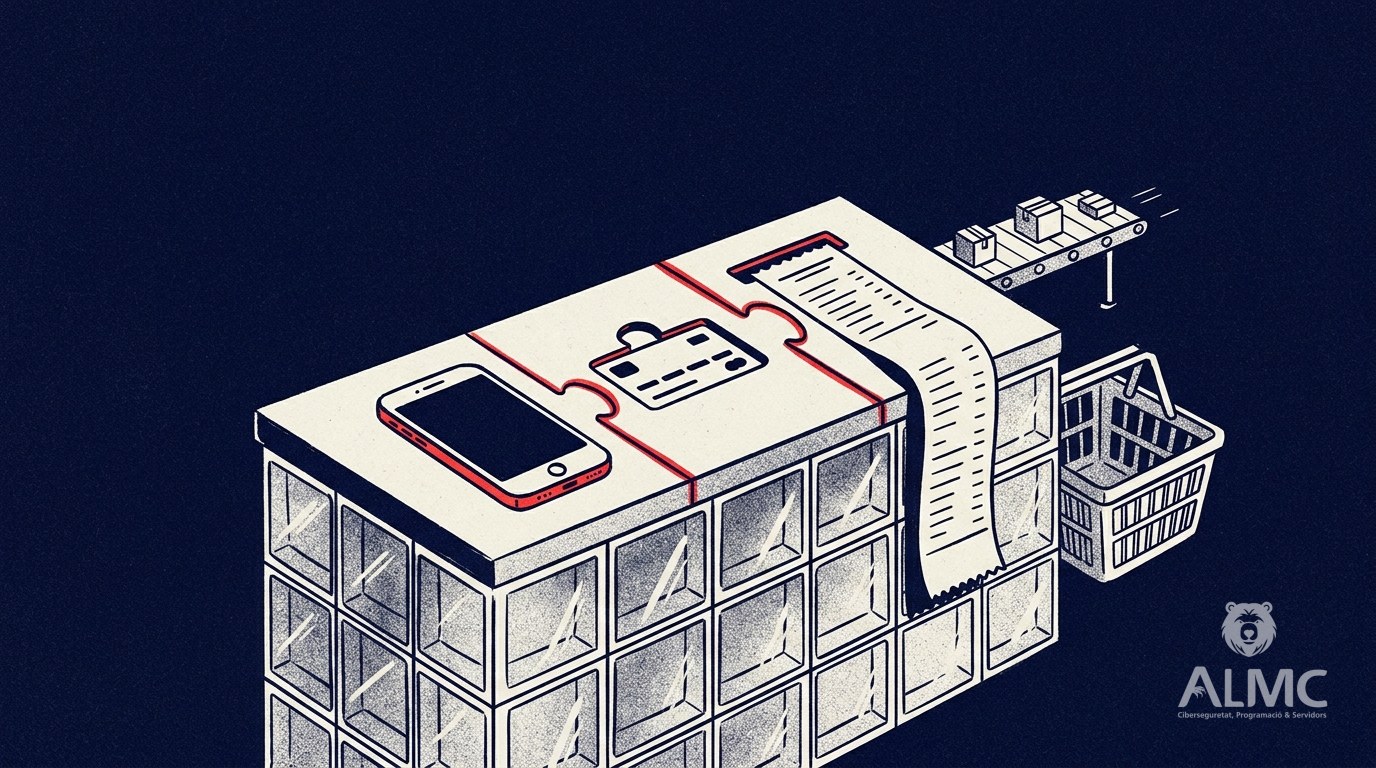
Consumer habits have shifted fast. Payment volumes in digital channels have grown sharply and, more importantly, the mix has diversified: cards no longer carry the whole load. A shop that only offers a card form is quietly turning away buyers who expect to pay the way they already pay friends, colleagues and local traders.
Bizum is no longer optional in Spain
Instant mobile payments have moved from novelty to routine. Bizum, launched roughly a decade ago, now counts tens of millions of users and is accepted by a very large number of online merchants. Its appeal is simple: the flow feels familiar, the confirmation is immediate and there is no card number to type from memory.
For a store selling to customers in Barcelona, Lleida, Tarragona or Girona, that familiarity matters. Shoppers compare your checkout with the one they used yesterday on another site. If the alternative was two taps and yours is twelve fields, you lose the sale before the payment gateway is even involved.
- Offer the local default. Spanish buyers look for Bizum the way other markets look for wallets or bank transfers.
- Keep the flow short. Fewer steps, fewer fields, fewer moments to reconsider.
- Show the cost clearly. Any surcharge or fee must appear before confirmation, not after.
Social pay: buying where the discovery happens
Social platforms have become a genuine purchase channel rather than a shop window. Social pay closes the gap between seeing a product and paying for it, often without leaving the app. The practical takeaway is blunt: commerce has to be where the customer already is, and that includes the feed, the story and the direct message.
This does not mean every small retailer needs a full social commerce stack tomorrow. It means the store's catalogue, stock and payment logic should be able to reach those surfaces without duplicating work. A well-structured ecommerce backend makes that possible; a rigid one turns every new channel into a separate project.
Data, not intuition, decides the checkout roadmap
Payment preferences vary by product, ticket size, age group and region. A shop selling €15 accessories to a young audience and a shop selling €900 furniture to families do not need the same methods in the same order. The only reliable way to know is to measure: where do carts stall, which method is chosen, which is abandoned, what does the drop-off look like on mobile versus desktop.
Artificial intelligence is increasingly part of that picture, both on the banking side and inside ecommerce platforms, helping to flag suspicious transactions, predict friction and personalise what appears at checkout. Used sensibly, it reduces false declines and speeds up the flow rather than adding another layer of complexity.
Building it on PrestaShop or WooCommerce
At ALMC.es we build online stores that actually sell: tailored PrestaShop and WooCommerce setups, conversion optimisation and the full stack needed to compete in ecommerce. In practice, that means a checkout engineered around real Spanish payment behaviour — local instant payment methods, card processing, wallets and social channels — with clean tax handling in euros, GDPR-compliant consent and data flows, and integration with invoicing and logistics so the order does not stop being an order once it is paid.
It also means performance. A checkout that takes seconds to load on a mobile connection in a busy street loses customers who never see the payment options at all. Speed, clarity and trust signals — clear return policy, visible contact details, secure connection — do more for conversion than any discount banner.
A short checklist before your next campaign
- Review which payment methods your customers actually expect, and add the missing local ones.
- Audit the mobile checkout flow end to end, counting every field and every tap.
- Check that fees, delivery times and return conditions are visible before payment.
- Confirm GDPR compliance for payment and marketing data, including consent records.
- Connect payments to stock, invoicing and shipping so operations keep pace with sales.
- Measure abandonment by method and device, then fix the worst bottleneck first.
Getting paid well is not a back-office detail. It is a commercial decision that shapes whether a visitor becomes a customer, and whether that customer comes back. Stores that treat the payment step as part of their growth strategy — not as a plugin installed once and forgotten — are the ones that keep converting when the campaign traffic arrives.
Related
- WooCommerce vs PrestaShop: Which Ecommerce Platform Wins in 2025?
- CRO for Ecommerce: Turning WooCommerce and PrestaShop Templates into Sales Engines
- Agentic Commerce: How AI Agents Are Rewriting the Rules of Online Shopping
- Desarrollo web
Put these ideas into practice
Talk to ALMC about a solution for your business. Explore your options or contact our team.