
Checkout and Payments: The Conversion Lever Most Online Shops Ignore
Checkout and Payments: The Conversion Lever Most Online Shops Ignore
The last screen is where the sale is won or lostMost ecommerce teams spend their energy on acquisition: campaigns, creatives, landing pages, catalogue...
The last screen is where the sale is won or lost
Most ecommerce teams spend their energy on acquisition: campaigns, creatives, landing pages, catalogues. Then they hand the final step of the journey to a default payment configuration nobody has reviewed in two years. That is an expensive blind spot. Spanish online retail has roughly doubled its turnover in about five years, reaching figures close to €29.5 billion in a single quarter according to CNMC data, and in a market of that size the difference between a checkout that flows and one that stumbles is measured in real revenue.
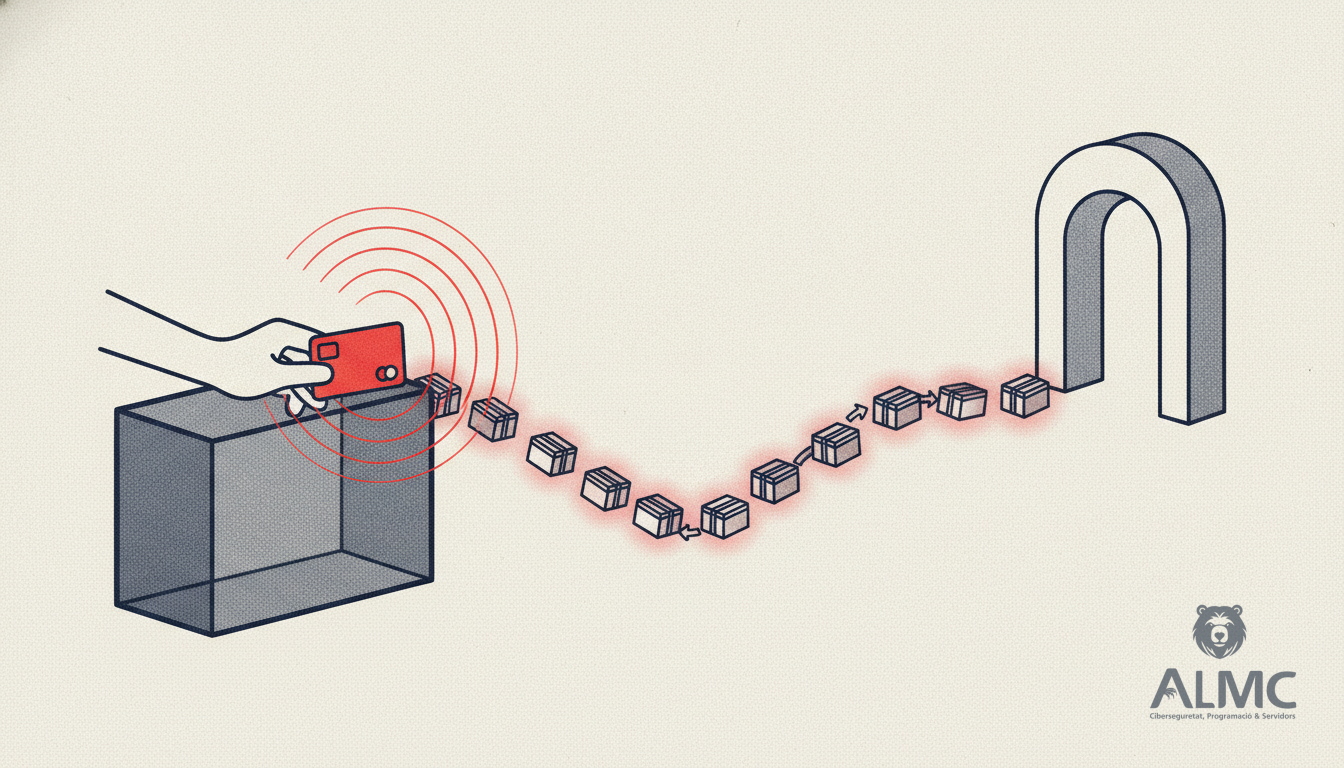
The message coming out of the latest ecommerce gatherings in Barcelona is clear: payments are no longer the administrative tail end of a purchase. They are part of the customer experience, and increasingly part of the growth strategy.
Friction is silent, but it is measurable
A shopper who abandons at the payment step rarely writes to complain. They simply leave, and the reason usually falls into one of a few familiar buckets:
- Missing methods. A customer who expects to pay with Bizum, a local card scheme or a familiar wallet will not hunt for an alternative.
- Too many fields. Every additional form field on a mobile screen is an extra reason to close the tab.
- Unclear costs. Surprise shipping fees or currency conversions introduced late in the flow break trust at the worst possible moment.
- Weak confirmation. A vague success page leaves buyers unsure whether the order exists, which generates support tickets and cancellations.
None of these requires a heroic technical project to fix. They require someone to look at the checkout as a product, not as a plugin setting.
Design the payment mix around your actual customers
Spain is not a single market. A shop selling to Barcelona, Lleida, Tarragona and Girona may find that card payments dominate, but mobile-first buyers respond strongly to instant bank transfer options, while cross-border customers want wallets they already trust. The right mix depends on your basket size, your audience and your margins, not on a generic checklist.
Practical priorities we see working for retail brands across Catalonia:
- Offer at least one instant, low-friction method alongside cards, and make it visible early rather than hidden behind a dropdown.
- Keep the number of steps stable between mobile and desktop; mobile shoppers should not get a longer path.
- Show total costs, including delivery and taxes, before the payment screen.
- Store payment data in line with GDPR and the PCI DSS framework, and be explicit about what you keep and why.
- Localise currency and language where you sell abroad, and be transparent about conversion.
Where AI and agentic commerce fit in
There is growing interest in purchases initiated by AI assistants and agents, with banks and technology providers running early pilots to see how automated buying behaves in real stores. It is worth watching, but not worth rebuilding your shop around yet. The sensible stance for a mid-sized merchant is to keep the foundations clean: structured product data, reliable stock information, a stable and well-documented checkout, and payment providers that expose proper APIs. Shops built that way can plug into new channels when they mature. Shops held together with workarounds cannot.
Platform choice matters more than the launch date
Whether you run PrestaShop or WooCommerce, the platform is only the starting point. What decides results is how the shop is configured: module quality, page weight, caching, payment gateway integration, tax rules for Spanish and EU sales, and a checkout tuned through testing rather than assumption. A custom-built online shop that treats conversion as an ongoing discipline will outperform a prettier one that nobody maintains.
This is the work we do at ALMC.es with businesses in Lleida and across Catalonia: ecommerce stores that genuinely sell, built on PrestaShop and WooCommerce, with conversion optimisation and the full technical stack behind them. Because in the end, traffic is an investment and the checkout is where you collect the return.
Related
- WooCommerce vs PrestaShop: Which Ecommerce Platform Wins in 2025?
- CRO for Ecommerce: Turning WooCommerce and PrestaShop Templates into Sales Engines
- Agentic Commerce: How AI Agents Are Rewriting the Rules of Online Shopping
- Desarrollo web
Put these ideas into practice
Talk to ALMC about a solution for your business. Explore your options or contact our team.