
Blog
Process automation for SMEs: where to start and what to expect
Why automation is no longer a luxury for large companiesFor years, process automation was something only large corporations with dedicated IT departme...
Why automation is no longer a luxury for large companies
For years, process automation was something only large corporations with dedicated IT departments could afford. That has changed. Cloud tools, open-source workflow engines and low-cost integrations have brought automation within reach of small and medium-sized businesses in Lleida, Barcelona, Tarragona and Girona. The question is no longer whether an SME can automate, but where it should start.
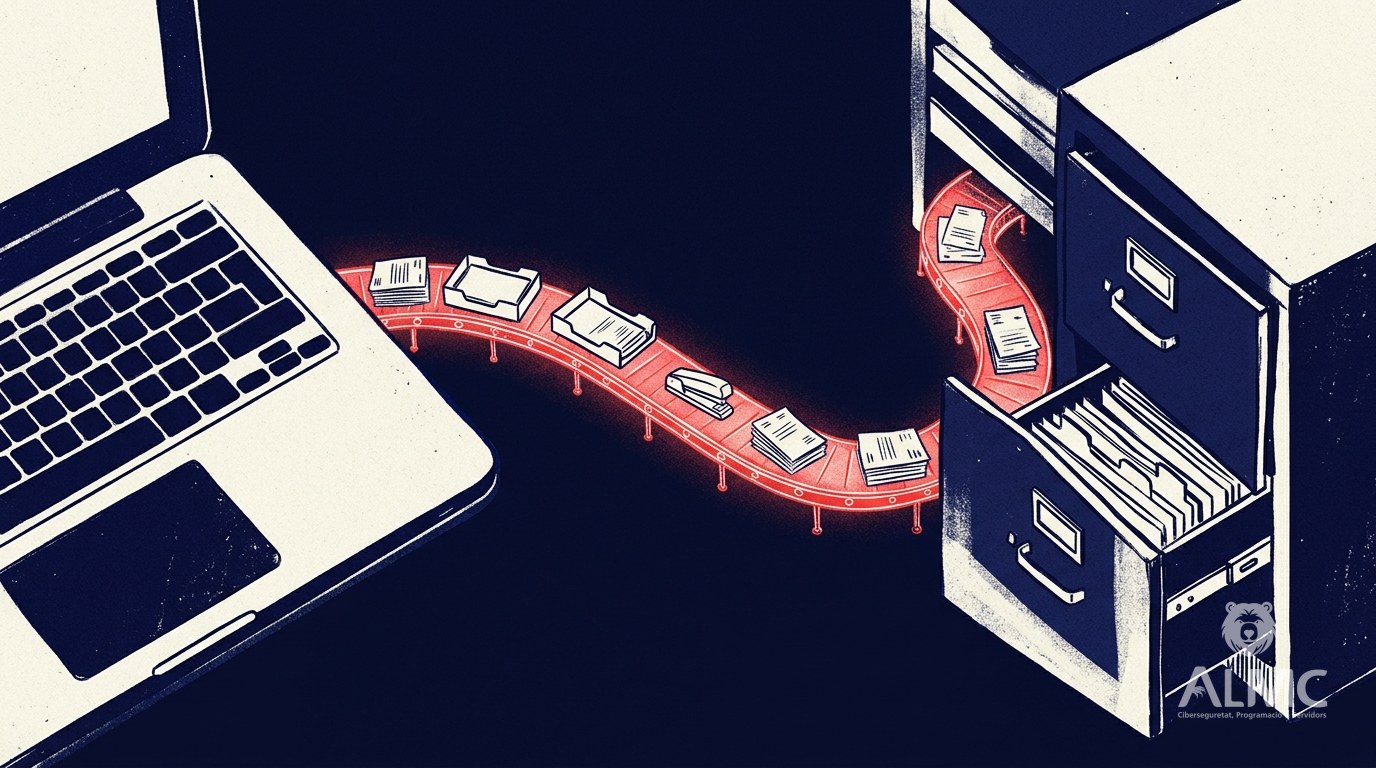
At ALMC we see the same pattern again and again: teams spend a surprising share of their week copying data between applications, chasing approvals by email, renaming files and rekeying the same information into two or three systems. None of these tasks add value, yet they consume hours that could go into sales, customer service or product work.
What process automation actually means in practice
Automation is often confused with buying more software. In reality, it is about connecting the tools a business already uses so that information flows between them without manual intervention. A well-designed workflow can, for example, take a new order from an online shop, create the corresponding invoice, notify the warehouse and update the customer record, all without anyone touching a keyboard.
This is where platforms such as n8n come in. n8n is an open-source workflow automation tool that lets you build integrations visually and host them on your own infrastructure, which matters for companies that need to keep data within the EU and comply with GDPR. It connects to hundreds of applications and APIs, and it can also call custom scripts when a standard connector is not enough.
- Integrations: link your CRM, invoicing software, email, spreadsheets and messaging tools so they share data automatically.
- Workflows: define triggers and steps, such as "when a form is submitted, create a task and send a confirmation".
- Monitoring: receive alerts when a workflow fails, so problems are caught before they affect customers.
Where SMEs usually find the quickest wins
Not every process deserves automation. The best candidates are repetitive, rule-based and frequent. In our experience with Catalan SMEs, a handful of areas tend to deliver results quickly:
- Invoicing and accounting: generating invoices from orders, sending them to clients and filing them in the right folder, with the authenticity and integrity requirements that Spanish invoicing rules demand.
- Lead management: capturing enquiries from web forms, social media or WhatsApp and routing them to the right salesperson with a follow-up reminder.
- Customer support: classifying incoming messages, drafting replies for common questions and escalating complex cases.
- Reporting: pulling figures from several sources into a single weekly summary instead of building it by hand.
- HR and administration: onboarding checklists, holiday requests and document collection.
A useful rule of thumb: if a task takes more than a few minutes, happens at least weekly and follows clear rules, it is probably worth automating.
How to approach an automation project without overcomplicating it
The most common mistake is trying to automate everything at once. A better approach is to map the current process, identify the steps that are purely mechanical and start with one small, well-defined workflow. Measure the time saved, then move on to the next one.
It also helps to think about data quality. Automating a messy process simply produces mistakes faster. Before connecting systems, make sure the fields you rely on are consistent and that responsibilities are clear: who owns the customer record, who approves a discount, what happens when a step fails.
Security and compliance deserve attention from the outset. Personal data should be processed lawfully under GDPR, access to automation tools should be restricted, and credentials should be stored securely rather than pasted into shared documents. Hosting workflows on European infrastructure, or on your own servers, gives extra peace of mind.
What to expect in terms of time and cost
Automation is rarely a large upfront investment for an SME. Many projects start with a modest budget and grow as the benefits become visible. The return is usually measured in hours saved per week and in fewer errors, rather than in dramatic cost cuts. A team that recovers several hours a week can reinvest that time in work that actually grows the business.
It is also worth remembering that automation is not a one-off task. Tools change, processes evolve and new needs appear. A light maintenance routine, with periodic reviews of the workflows in place, keeps everything running smoothly.
Getting started with ALMC
If you run a small or medium business in Catalonia and suspect that too much of your week is spent on repetitive administration, a conversation is a good first step. At ALMC we help companies design and implement process automation with tools such as n8n, connecting existing applications and building workflows that save hours every week. We work with businesses in Lleida and across Catalonia, in a practical, no-nonsense way: start small, prove the value, then scale.
Related
- n8n Automation Guide: Streamline Your Business Workflows in 2026
- How Much Does Process Automation Really Cost? A 2026 Guide for SMEs
- Best WordPress SEO Plugins 2026: Expert Comparison for Spanish Sites
- Chatbot IA
Put these ideas into practice
Talk to ALMC about a solution for your business. Explore your options or contact our team.